

To spot reproduction items and suspicious authentication claims, compare the object, documentation, seller language, and provenance against credible references before buying. The safest approach is slow verification, not instinct or urgency.
Collector caution: A convincing story is not authentication. Look for documented ownership history, expert attribution, consistent materials, realistic pricing, and a seller who welcomes independent review.
Start with the claim, not the object
Many collectors begin by asking, “Does this look real?” A safer first question is, “What exactly is being claimed?” Is the item described as original, vintage, limited edition, studio-used, artist-signed, screen-matched, from an estate, or merely inspired by an original? Each phrase carries different evidence requirements. Vague language can be a warning sign because it lets a seller imply value without making a testable statement.
For verification context, IFAR’s authentication research service shows how expert review is used when authorship is questioned, and the FBI Art Crime program explains why fraud and trafficking concerns belong in cultural-property due diligence.
The International Foundation for Art Research has long offered authentication research for works whose authorship is in question, and the FBI Art Crime page emphasizes that art and cultural property crime includes fraud, theft, looting, and trafficking. Collectibles and memorabilia are not all fine art, but the same caution applies: documentation matters, and confidence should rise only when evidence improves.
Do not let urgency replace verification. Phrases such as “museum quality,” “private collection,” “one of a kind,” “believed to be,” or “comes from a Hollywood source” are not proof by themselves. They may be true, false, or incomplete. Ask what documents support them.
| Suspicious signal | Why it matters | Better evidence to request |
|---|---|---|
| No provenance trail | The object’s ownership history cannot be checked. | Receipts, catalog entries, prior auction records, estate documents, or chain-of-custody notes. |
| Certificate from the seller only | The certifier may have a financial interest. | Independent specialist opinion or recognized third-party documentation. |
| Price far below comparable items | The seller may be using urgency or ignorance as bait. | Comparable sales, condition explanation, and time to review. |
| Story changes under questions | Unstable details weaken trust. | Written answers, source names where appropriate, and consistent documentation. |
Compare materials and making methods
Reproductions often reveal themselves through materials, construction, aging, or manufacturing consistency. Paper may be too bright, ink may sit differently than expected, stitching may use modern materials, printing dots may not match the claimed period, or wear may appear in decorative rather than functional places. For props and costumes, construction should make sense for how the item was supposedly used.
This does not mean every collector must become a conservator. It means you should learn the basic material signs for the category you buy. A poster collector needs paper, printing, fold, and restoration knowledge. A comic collector needs grading, staples, trimming, color touch, and restoration signs. A music memorabilia buyer needs signature comparison, pen type, paper age, and credible signing context. A film prop buyer needs production documentation, photo matching, and studio archive patterns.
Museum retail offers a helpful contrast. A reproduction sold openly as an educational replica can be valuable, honest, and appropriate. The problem is not reproduction itself. The problem is a reproduction presented as original. That distinction also explains why museum store assortments feel educational instead of random when they clearly frame objects by purpose and context.
Authentication documents need authentication too
A certificate of authenticity is only as strong as the issuing source, method, and accountability behind it. Some certificates are meaningful. Others are decorative paper. Ask who issued it, what expertise they have, what they examined, whether they guarantee the conclusion, and whether the document can be verified. If the answer is “the seller knows people,” slow down.
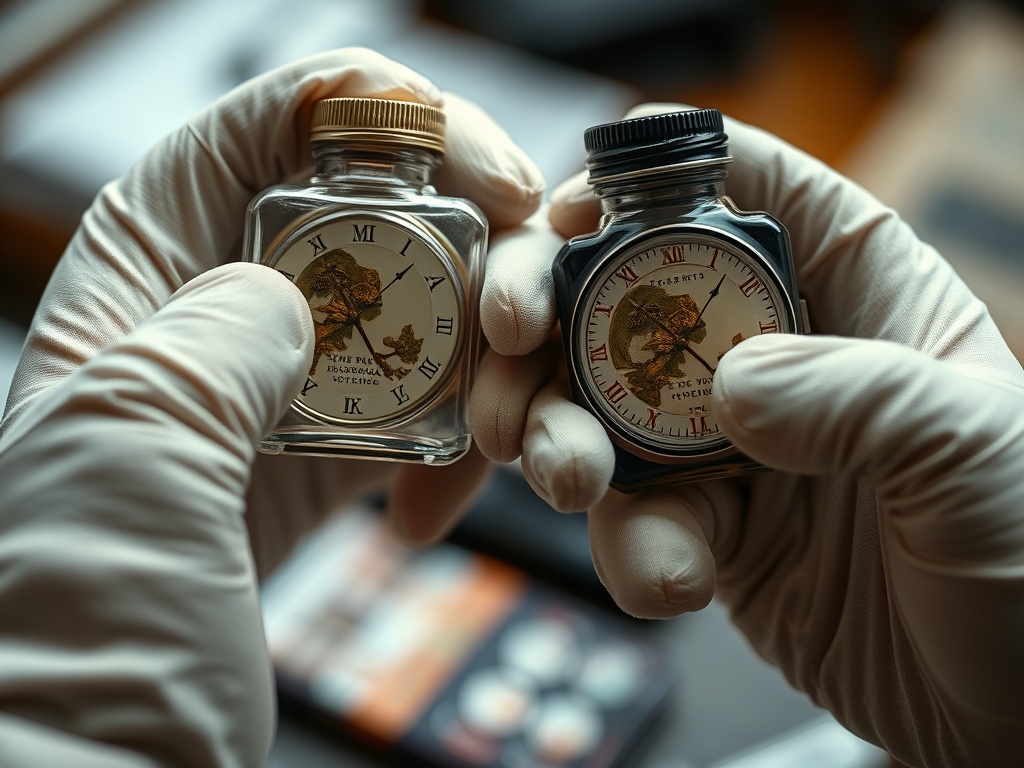
Catalogues raisonnés, artist archives, production records, auction databases, and recognized specialists can all matter depending on the object. IFAR’s catalogue raisonné resources show why serious attribution research often depends on structured reference tools, not casual comparison. For entertainment memorabilia, production stills, call sheets, wardrobe tags, studio letters, or screen-matching evidence may be more relevant than a generic certificate.
Seller behavior is part of the evidence
A trustworthy seller should allow reasonable questions, provide clear photos, explain provenance limits, disclose restoration or reproduction status, and give buyers time to seek advice. Pressure is a warning sign. So is hostility toward independent review. A seller who says “you either know or you do not” may be using confidence as a sales tactic.
Online marketplaces add another layer of risk. Photos can hide scale, texture, watermarks, paper thickness, and edge condition. Ask for images from multiple angles, close-ups of signatures or markings, and photos under ordinary light. Be cautious with cropped images, filters, or backgrounds that make condition hard to judge. Keep all messages and payment records.
Creators and collectors both benefit from documentation habits. The same mindset behind legal and accounting basics for independent creators applies here: records protect value. A collector who keeps receipts, correspondence, condition photos, and expert opinions makes future resale, insurance, donation, or estate planning easier.
When to walk away
Walk away when the seller refuses documentation, rushes the decision, blocks third-party review, changes the story, or offers a price that only makes sense if you ignore doubts. Walking away is not losing a treasure. It is protecting your collection from an object whose story cannot support its claim.
The best collecting habit is patient skepticism. Reproductions have legitimate places in education, décor, and fandom. Originals, signed items, and production-used pieces need stronger proof. The more valuable the claim, the more careful the verification should be.
A documentation checklist before purchase
Before paying, collect the listing description, seller identity, photos, correspondence, certificate details, payment terms, return policy, and any provenance documents. Save them outside the sales platform in case the listing disappears. For higher-value items, add an independent opinion before funds become irreversible.
The checklist protects both cautious beginners and experienced collectors. It slows emotional buying, creates a record for insurance or resale, and makes inconsistencies easier to spot. If the seller objects to reasonable documentation, that reaction is itself useful information.
Condition language also deserves care. “Aged,” “distressed,” “archival,” “restored,” and “near mint” can mean different things across categories. Ask for plain descriptions and close photos instead of relying on adjectives. Honest condition details usually make a claim clearer, not weaker.
Do the same with signatures and edition numbers. A photograph of a signature is not enough if the signer, date, medium, and signing context are unclear. Compare carefully, but avoid declaring certainty from visual comparison alone unless a qualified specialist supports it.
When uncertainty remains, describe the item conservatively and price it accordingly.