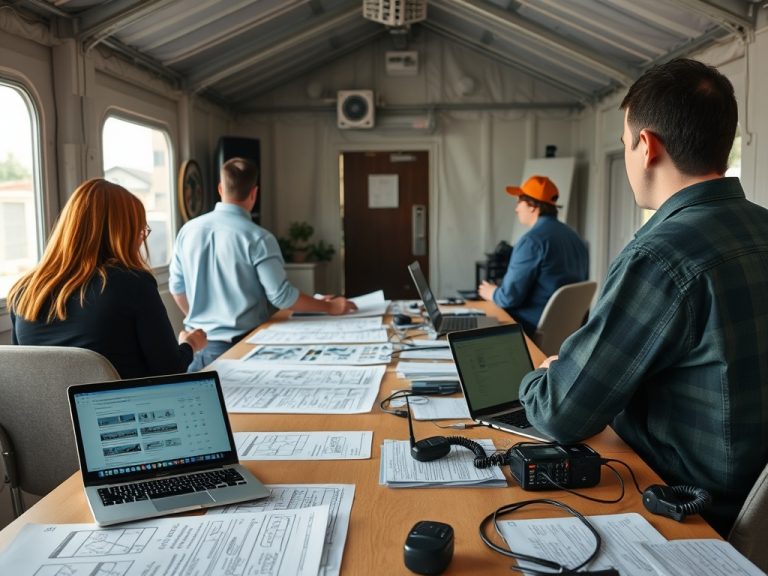

Vendor scheduling tools help event teams control who arrives, where they go, what they need, and when their work must be complete. The right stack reduces load-in confusion, protects the run of show, and gives every vendor a clear source of truth before onsite pressure begins.
TL;DR: A reliable vendor scheduling system usually combines a master timeline, vendor contact sheet, load-in and load-out plan, floor access map, responsibility matrix, document tracker, and onsite change log. Software helps, but the template logic matters more than the platform.
Vendor scheduling is an operations system, not a calendar
A calendar can show when a vendor arrives. A vendor scheduling system explains what that vendor is bringing, which entrance they use, who signs them in, what documents they need, which other vendors depend on their work, and what happens if they are late. Event teams often discover the difference during load-in, when catering, AV, rental furniture, exhibitors, florals, security, staging, and venue staff all need access to the same limited space.
This is why vendor scheduling should be linked to Top Tools and Templates for Vendor Scheduling in Event Operations rather than treated as admin work. The goal is to prevent conflicts before they reach the dock, ballroom, expo hall, or green room. Safety and crowd-control resources can also be useful where vendors interact with public areas. OSHA crowd management guidance recommends advance planning, trained staff, and emergency preparation for events likely to draw large crowds.
The core templates every team should maintain
Even small events benefit from a standard document set. The format can be a spreadsheet, project management board, shared document, or event software platform, but the information should be consistent. A strong vendor file gives planners a full view of operational risk and keeps onsite staff from guessing.
- Master vendor roster with company name, onsite contact, mobile number, scope, insurance status, and arrival window.
- Load-in and load-out schedule with dock times, freight notes, access restrictions, elevator needs, and setup dependencies.
- Run-of-show dependency map showing what must happen before each vendor can complete work.
- Document tracker for contracts, certificates of insurance, permits, W-9s, menus, diagrams, tech specs, and delivery instructions.
- Onsite issue log for delays, substitutions, damage, overtime, missing items, and approved changes.
| Tool category | Best use | Watchout |
|---|---|---|
| Spreadsheet template | Small to mid-sized events with clear owners | Can become outdated if multiple versions circulate |
| Project management board | Multi-step vendor tasks and approvals | Needs disciplined status updates |
| Venue diagram software | Load-in routes, booth locations, equipment placement | Must match final venue measurements and restrictions |
| Event management platform | Larger programs with many vendors and stakeholders | Setup time and user training are required |
What to evaluate before choosing software
Product-aware teams should avoid buying software only because it looks polished in a demo. The more useful test is whether it can support the event’s real dependencies. Can it show arrival windows by vendor type? Can it store documents and expiration dates? Can onsite staff use it from a phone? Can it export a simple printed plan if Wi-Fi fails? Can it separate private budget notes from vendor-facing instructions?
A large expo or multi-venue event may need integrated mapping, credentialing, document management, and task ownership. A recurring private event may only need a well-built spreadsheet and a shared change protocol. Budget visibility also matters. Teams comparing tools with cost controls can connect the decision to How Live Budget Tracking Is Changing Event Budget for Event Teams so software subscriptions, overtime, freight, and rush fees are visible before they become surprises.
![[LINK:https://onyxwrite.com/top-tools-and-templates-for-vendor-scheduling-in-event-operations/]Top Tools and Templates for Vendor Scheduling in Event Operations](https://onyxwrite.com/wp-content/uploads/2026/08/ai_art3_img2_onyxwrite_events_articles.jpg)
Suggested stack combinations by event size
A lean stack works best when the event has fewer vendors, one venue, and a short setup window. Use a master spreadsheet, shared folder, final PDF packet, and onsite issue log. For a mid-sized event with multiple rooms, add a project management board, floor-plan tool, and structured approval workflow. For a large expo, consider a dedicated event operations platform with vendor portals, credential tracking, booth mapping, freight windows, and real-time status reporting.
The right stack should make accountability clearer. If the tool adds more meetings, duplicate data entry, or unclear permissions, it may increase complexity. A useful system creates fewer questions during the final week, not more.
Implementation habits that prevent last-week chaos
1. Assign one owner for the master schedule and one backup with edit rights.
2. Freeze vendor-facing instructions at a defined deadline, then track exceptions separately.
3. Use status labels that describe action, such as waiting on COI, approved, conflict, onsite change, or closed.
4. Send each vendor only the information they need, while keeping the internal master complete.
5. Print a simplified dock and contact sheet for onsite teams in case systems fail.
A stronger closeout makes the next event easier
Vendor scheduling should not end when the doors open. After the event, review which vendors arrived late, which documents caused delays, which instructions were unclear, and which load-out steps created conflict. That review can improve future contract language, arrival windows, staffing levels, and template design.
The most dependable vendor scheduling tools are not necessarily the most expensive. They are the ones that keep the team aligned when plans change. Build the template first, then choose the platform that supports it with the least friction.
Governance rules for shared vendor tools
The scheduling system should have simple governance rules. Decide who can edit the master schedule, who can approve vendor-facing changes, who can see financial notes, and how updates are timestamped. Without this discipline, a shared tool can become a shared risk. Teams should also maintain a final-readiness version for onsite use, because vendors may not have access to the same platform or permissions. A clean export with dock times, contact numbers, and access notes can prevent confusion when the venue is busy and internet access is inconsistent.
For bottom-of-funnel teams, the final test is whether a new onsite lead could open the packet and understand the first hour of load-in without asking five people for context. If the answer is no, the tool is not ready. Add missing routes, contact roles, approval rules, and escalation instructions before the schedule is shared wider.
Operational Source and Liability Reminder
This article is for informational and educational purposes only. It is not legal, financial, travel, immigration, safety, insurance, or contractual advice. Event details, access rules, pricing, permits, schedules, and insurance requirements can vary by venue, city, country, organizer, and ticket tier, so readers should verify decisions directly with official organizers, venues, insurers, legal counsel, and relevant public agencies before committing resources.
Create the Vendor Control Packet
Start with a vendor roster and load-in map, then add software only where the workflow needs stronger visibility or accountability.