
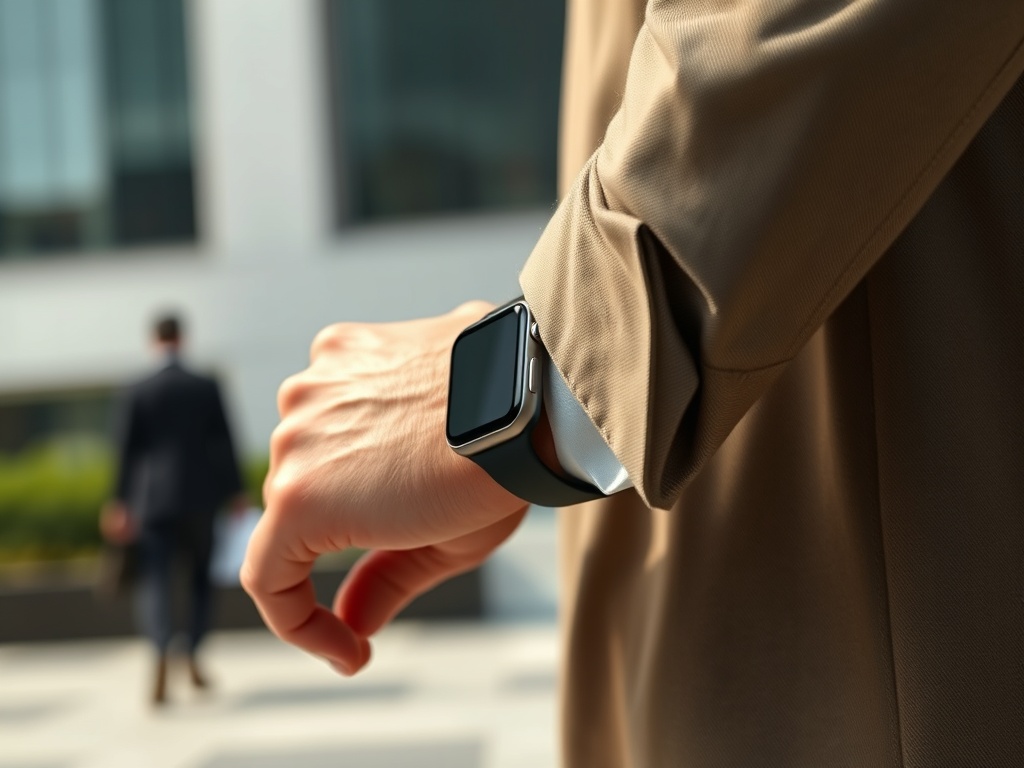
TL;DR Wearables are shifting preventive-health conversations from occasional snapshots toward continuous self-monitoring, but consumer data should be treated as context rather than automatic diagnosis. The strongest use is often to notice patterns, support behavior change, and bring better questions to clinicians while understanding device limits.
Smartwatches, rings, fitness bands, and connected sensors can track steps, heart rate, sleep estimates, activity, temperature trends, and other signals. Their growing role in health is partly behavioral and partly clinical. In January 2026, FDA reissued its General Wellness policy for low-risk devices, clarifying how products aimed at maintaining or encouraging a healthy lifestyle may differ from regulated medical-device functions.
The preventive-health conversation is becoming more continuous
Traditional checkups capture health information at a few points in time. Wearables can produce repeated observations between visits. That can make conversations more specific: instead of saying “I have been less active,” a person may bring a month of step patterns; instead of saying “my heart rate feels high,” they may show when a device recorded unusual values.
More data is not automatically better evidence. Consumer sensors can be affected by motion, fit, skin contact, algorithms, device position, and the specific metric being estimated. The useful change is not that every reading is clinically definitive; it is that patterns can prompt questions and help people observe behavior outside the clinic.
Three ways wearables may support prevention
1. Self-monitoring
Seeing activity, sleep timing, or exercise frequency can make behavior visible. An American Heart Association scientific statement on technology and heart-healthy behavior change discusses digital tools such as wearables, apps, and telehealth as ways to support self-monitoring, goal setting, and engagement.
2. Goal feedback
A step target, training load trend, or reminder can turn an abstract intention into a concrete cue. The benefit depends on how the person responds. Some users find numbers motivating; others become preoccupied or discouraged by rigid targets.
3. Better questions for clinicians
A trend can provide context for a symptom or behavior discussion. It should not replace validated measurement when a diagnosis depends on accuracy. The appropriate response to a concerning alert may be confirmation with clinical methods, not self-diagnosis from the watch.
Consumer wellness data and medical data are not the same thing
FDA’s 2026 general-wellness guidance matters because product claims influence how a feature should be interpreted. A device that encourages healthy lifestyle behavior is different from a feature intended to diagnose or treat disease. Marketing language, intended use, and regulatory status matter.
This distinction is easy to blur because the same wrist device may contain both wellness features and regulated medical functions. Users should check what a specific feature is intended to do rather than assuming the entire device has one level of clinical validation.
Accuracy limits deserve more attention as metrics become more medical
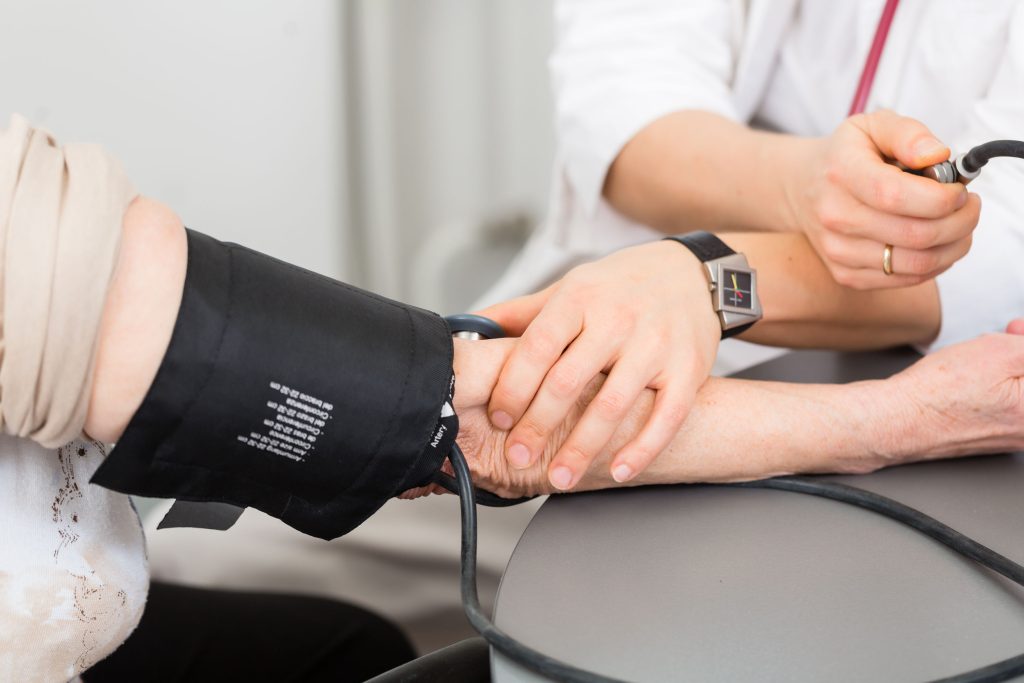
Blood pressure is a useful example. In late 2025, an American Heart Association scientific statement summarized by the AHA warned that many personal cuffless wearable blood-pressure technologies had not yet been proven accurate or reliable enough for routine real-world use and that more validation was needed. The summary on cuffless blood-pressure wearables shows why a plausible number on a screen should not automatically be treated like a validated clinical measurement.
The same reasoning applies more broadly. A device may be good enough for tracking a personal trend without being good enough to confirm disease. Preventive value often comes from noticing change and seeking appropriate follow-up.
Wearables are also becoming behavior-change tools
In June 2026, the AHA highlighted an analysis finding that smartphone apps and wearables helped people with heart disease increase daily physical activity in research settings. The AHA’s 2026 report on wearables and physical activity supports the idea that connected tools can help behavior change, while still leaving open questions about which features work best for which users.
For a generally healthy person, the simplest benefit may be less dramatic: a reminder to walk, evidence that a remote-work day involved long sedentary periods, or a weekly view showing that hard workouts are clustering without recovery.
Avoid turning every metric into a score
Wearable dashboards can create false precision. Sleep stages, recovery scores, stress estimates, and calorie-burn numbers may look exact even when they are model-based estimates. Use them as one input alongside how you feel, what you did, and any validated medical measurements.
If a score makes you change a sensible plan every morning, the device may be creating noise. The article on staying consistent with fitness while working from home offers a lower-tech framework built around cues and backup routines that can work with or without a wearable.
Bring trends, not screenshots, to health conversations
A clinician is more likely to benefit from a clear pattern than hundreds of isolated alerts. Note when the trend started, what symptoms occurred, whether you were exercising, sleeping, ill, using caffeine or medication, and whether the device fit changed. This context can help determine whether formal evaluation is needed.
Do not delay urgent care because a wearable looks normal, and do not assume an alert proves a diagnosis. Symptoms and clinical evaluation still matter.
Data privacy is becoming part of preventive health
Wearables often collect information that feels health-related even when the product is not a medical device. Before connecting services, check what data is stored, whether it is shared with third parties, how long it is retained, and whether deletion or export is possible. A useful feature can still create a privacy tradeoff.
This is particularly relevant when a fitness program asks to connect a wearable. The guide on questions women should ask before buying a fitness program includes data handling among the practical questions to ask before checkout.
A best-practice checklist for using wearable data
- Pick one or two metrics that match a real goal.
- Look at weekly trends before reacting to one unusual reading.
- Verify concerning medical-style measurements with validated methods when appropriate.
- Keep device fit and usage consistent when comparing trends.
- Turn data into an action you can control, such as walking more or protecting recovery.
- Disable alerts that create noise without changing useful behavior.
- Bring persistent or symptomatic abnormalities to a health professional.
- Review privacy settings when linking apps or coaching platforms.
Decide what would change your behavior
A wearable metric is most useful when you know what decision it can influence. If step counts are low on office days, the action might be a scheduled walk. If training intensity repeatedly clusters on consecutive days, the action might be moving one hard session. If a medical-style alert appears, the action may be to document context and seek appropriate confirmation. Metrics that never change a decision can become decorative noise. This decision rule also helps when devices add new features. Before enabling another score, ask what it measures, how reliable that measurement is for your purpose, and what you would do differently if the value changed. Preventive health benefits are more likely when data leads to a sensible behavior or a better clinical question rather than simply producing more notifications.
Use wearables as conversation starters, not verdicts
Wearables are making prevention more data-rich and more continuous, but the most useful interpretation remains cautious. Use consumer metrics to notice patterns, support habits, and ask better questions. Reserve diagnosis and treatment decisions for appropriately validated tools and clinical evaluation.