The best compost tumbler is the one that fits the amount of material you generate, the space you can dedicate to it, and the way you want to manage batches. For most backyards, chamber design and usable capacity matter more than marketing promises about unusually fast compost.
TL;DR: Choose a dual-chamber tumbler if you want to keep adding scraps while an older batch finishes, a larger single drum if capacity is the priority, and a compact system if footprint and easy handling matter most. The picks below are editorial best-fit recommendations based on currently published specifications and practical use cases, not controlled product-performance testing.
What Matters More Than a “Fast Compost” Claim
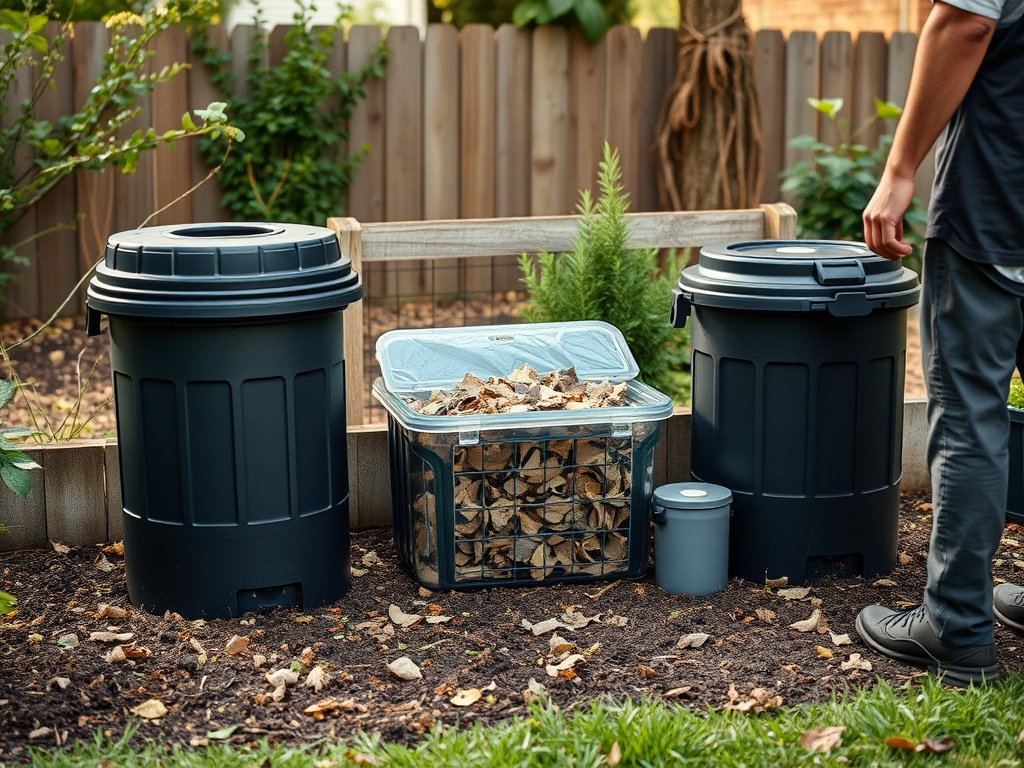
A tumbler helps contain material and makes mixing easier, but it does not replace the biology of composting. Microorganisms still need a workable mix of carbon-rich “browns,” nitrogen-rich “greens,” moisture, and oxygen. The EPA’s home composting guidance also emphasizes monitoring moisture, odor, and aeration rather than relying on a fixed finishing time.
That is why this guide does not rank products by manufacturer composting-speed claims. Weather, ingredient size, moisture, carbon-to-nitrogen balance, batch size, and how often the contents are mixed can all affect decomposition. A useful buying comparison is therefore about how well the tumbler’s design supports the routine you are likely to maintain.
Before buying, measure the intended location with the lid or door open and leave room to rotate the drum. If the yard, patio, or utility area is already overloaded, a quick weekend home reset can help you decide where food-scrap collection, dry leaves, tools, and finished compost will actually live.
Quick Comparison of Backyard Compost Tumblers
| Model | Best fit | Published specs | Consider before buying |
|---|---|---|---|
| FCMP Outdoor IM4000 | Steady small-batch flow | 43 gal; dual chamber; polypropylene body; galvanized steel frame | Capacity is divided between two chambers; assembly is required |
| Lifetime 60058 | Higher-volume households and yards | 80 gal; large rotating drum; HDPE panels; aeration bar; rotation lock | Requires more floor space and a larger turning envelope |
| Envirocycle Composter | Compact premium setup | 35 gal; rotating drum; liquid-collection base; no assembly; five-year warranty | Smaller capacity and premium positioning may not suit every budget |
| VIVOSUN 43-Gallon Tumbler | Value-focused dual-chamber setup | 43 gal; twin chamber; polypropylene body; galvanized steel frame; adjustable vents | Compare current warranty, parts support, and assembly expectations before ordering |
These are not universal winners. They suit different constraints, and specifications can change. Confirm the current model details, dimensions, included parts, warranty, and availability with the manufacturer or retailer before purchasing.
Best for Continuous Batch Composting: FCMP Outdoor IM4000
The FCMP Outdoor IM4000 is a strong fit for households that add kitchen scraps regularly but still want a separate side where an older batch can finish. FCMP lists a total capacity of 43 U.S. gallons and describes the body as polypropylene on a galvanized steel frame. The manufacturer’s IM4000 product page also confirms the dual-chamber layout.
The practical benefit is workflow. Once one chamber reaches the point where you want to stop adding fresh material, you can begin filling the other. That separation can make batch management clearer than using one drum that receives new scraps indefinitely.
The trade-off is that 43 gallons is the combined capacity, so each side is smaller than a 43-gallon single chamber. That may be ideal for a modest stream of kitchen scraps and yard trimmings but restrictive for a household dealing with large seasonal volumes.
Best for More Capacity: Lifetime 60058 80-Gallon Composter
The Lifetime 60058 is the capacity-first option in this shortlist. Lifetime publishes an 80-gallon capacity and describes double-wall high-density polyethylene construction, an internal aeration bar, a large removable lid, and a rotation-locking system on the 60058 product page.
A larger drum can make sense when the household has a substantial supply of compatible yard material and kitchen scraps. It also reduces the temptation to overfill a small tumbler during leaf-heavy periods.
The trade-off is physical size. Measure not only the base but also clearance for rotation, loading, unloading, and moving a container or wheelbarrow nearby. A large single drum also means batch discipline matters: if you keep adding fresh material, the contents may remain at mixed stages rather than reaching a clear curing phase together.
Best for a Compact Premium Setup: Envirocycle 35-Gallon Composter
Envirocycle’s 35-gallon system takes a different approach. Its compact drum sits on a base intended to collect liquid, and the company publishes a no-assembly setup and a five-year warranty. That combination may appeal to homeowners who prioritize a tidy footprint and straightforward setup over maximum capacity.
The premium positioning is a subjective value question, not proof of superior compost. Compare the purchase price with how much material you actually generate, how often you expect to turn the drum, and whether the collection-base design is useful in your setting. A smaller tumbler that fits the routine can be a better choice than a larger model that becomes difficult to access.
Best Value-Oriented Dual Chamber: VIVOSUN 43-Gallon Tumbler
VIVOSUN’s 43-gallon model uses two chambers, adjustable air vents, deep fins, a polypropylene drum, and a galvanized steel frame according to its current product specifications. That feature set makes it worth comparing for buyers who want the basic batch-management advantages of a twin-chamber tumbler without moving into a larger premium system.
“Value” here is an editorial fit label, not a statement about long-term durability or lifetime cost. Retail pricing, warranty terms, included accessories, replacement-part access, and finish details can change. Check those items at the time of purchase rather than assuming the lowest listed price is automatically the best deal.
Match the Tumbler to Your Compost Routine
Choose a dual chamber when you want a clear fill-and-cure rotation. Choose a large single drum when volume matters more than keeping two batches separate. Choose a compact system when the composter needs to fit a patio edge or small utility zone and you can accept less capacity.
Also think about the material around the tumbler. You need somewhere dry to keep a supply of browns such as leaves or shredded uncoated cardboard, plus a convenient way to carry food scraps outside. The same space-planning habit used when designing around an awkward room shape applies here: measure the real movement path, not just the footprint of the object.
Avoid adding materials that your backyard system is not suited to handle. EPA guidance advises against items such as meat, fish, bones, dairy products, fats, oils, grease, pet waste, and several other materials in typical backyard composting because of pest, pathogen, or decomposition concerns.
Choose for the Routine You Will Actually Keep
If you add scraps several times a week, a dual-chamber design is often easier to manage as two distinct batches. If autumn yard waste is your main input, capacity may matter more. If the tumbler must sit close to living space, loading height, door size, drainage, appearance, and cleaning access deserve extra weight.
Before ordering, measure the site, estimate your normal weekly volume, decide where browns will be stored, and read the current manufacturer manual. A compost tumbler can make turning and containment more convenient, but the quality and timing of finished compost still depend on the materials and management inside it.
Home composting information is provided for general educational purposes. Local rules about food scraps, pests, waste, setbacks, and compost use can vary. Follow manufacturer instructions and applicable local guidance, and use appropriate professional advice when pest, structural, or sanitation concerns exceed routine home gardening.[/