A neighborhood-aware home security routine combines basic physical security with attention to normal local patterns, trusted communication, and privacy-conscious technology. The aim is not to treat every unfamiliar person or vehicle as suspicious, but to make doors, windows, lighting, deliveries, travel routines, and connected devices more consistent and less dependent on memory.
TL;DR: Lock and inspect entry points, keep sightlines around doors and windows reasonable, use lighting where it improves visibility, secure connected cameras and routers, agree on household routines for deliveries and travel, and maintain trusted contact with neighbors or local authorities. Security measures reduce opportunity and improve awareness, but no routine can guarantee prevention.
Define What "Neighborhood-Aware" Actually Means
A useful routine starts with what is normal where you live. That might include school pickup traffic, delivery windows, dog walkers, maintenance crews, apartment access patterns, parking rules, or regular community events. Awareness means understanding those patterns so unusual conditions are easier to notice without profiling people based on appearance or assumptions.
Use official neighborhood alerts, property-management notices, local law-enforcement channels, or verified community systems when available. Social-media rumors can be incomplete or misleading, so treat unverified posts as leads to check, not as established facts.
Inside the home, reduce visual clutter near doors and windows so locks, latches, blinds, and entry areas are easy to inspect. If general clutter is making exits or access points difficult to use, a weekend home reset can restore clear paths before you add security devices.
Build a 60-Second Leaving Routine
The best security checklist is short enough to repeat. Before leaving, check the primary exterior doors, accessible windows that should be closed, garage access, alarm status if you use one, and any appliance or fire-safety issue that needs attention.
Do not hide spare keys in obvious exterior locations. If trusted access is necessary, use a method appropriate to the property and household, such as a well-managed smart lock, building access system, or a trusted person with a key. Keep access codes private and change them when a former guest, contractor, or household member should no longer have access.
The U.S. Department of Justice's Office of Justice Programs summarizes traditional burglary-prevention guidance in Prevent Burglaries – How to Protect Your Home, including attention to locks, doors, windows, lighting, landscaping, and neighbor awareness. Some details in older crime-prevention literature may not reflect modern products, so use the principles and confirm current hardware guidance with manufacturers or local authorities.
Make Evening Security Part of the House Closeout
An evening routine can overlap with ordinary tidying. Bring in delivered packages, close or secure accessible windows as appropriate, lock exterior doors, confirm garage closure, and move valuables away from obvious exterior view.
Exterior lighting should improve useful visibility without creating glare that blinds occupants or neighbors. Motion-activated or scheduled lighting can be practical where it fits the property. If you are on a variable electric plan, learn how scheduled lighting and other evening loads fit your time-of-use electricity rate, but do not compromise necessary safety lighting just to avoid a peak period.
Keep shrubs and stored objects from creating easy climbing aids near accessible windows or balconies. Landscaping choices are property-specific, and pruning or removal may require landlord, HOA, utility, or municipal approval.
Secure Cameras and Smart Devices as Carefully as Doors
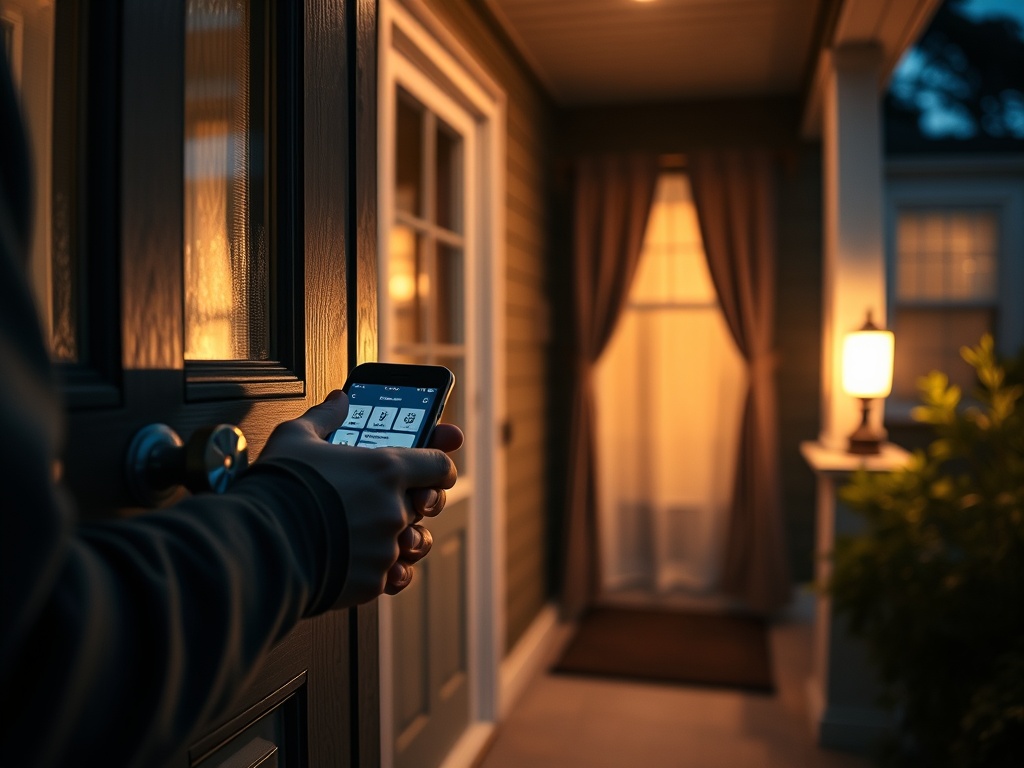
A camera can add awareness, but it also creates privacy and account-security responsibilities. The Federal Trade Commission's home security camera guidance recommends securing the home network, keeping camera software updated, using strong unique passwords, and enabling available security features such as two-factor authentication.
Review who can access live and recorded video. Remove old users, avoid sharing administrator credentials casually, and consider whether the camera needs to view private interior areas. Update the camera app and router firmware according to manufacturer guidance.
The FTC's broader connected-device guidance also emphasizes changing default router settings, using encryption, updating devices, and disabling features you do not use. A camera that is physically well placed but digitally neglected can create a different type of risk.
Coordinate With Neighbors Without Creating Surveillance Culture
Trusted neighbors can help notice practical problems: a garage door left open, a package sitting in rain, water flowing where it should not, or an alarm sounding while the homeowner is away. Keep the arrangement specific and reciprocal.
Share only the information needed. A neighbor checking mail during travel does not need every alarm credential, travel detail, or camera feed. If you use a neighborhood chat, avoid posting images of people or license plates as accusations without verified context. When a situation appears dangerous or criminal, use the appropriate local emergency or non-emergency channel rather than crowd-sourcing confrontation.
For multifamily buildings, security also depends on common entrances, intercoms, package rooms, stairwells, and property-management procedures. Report broken locks, lights, gates, or access systems through the building's documented process.
Plan for Deliveries, Contractors, and Temporary Access
Many everyday security lapses occur during legitimate access. Decide how the household handles deliveries, cleaners, pet sitters, tradespeople, and short-term guests.
Confirm contractor identity through the company or appointment record rather than relying only on a uniform or vehicle. Use temporary codes when supported by the access system, and delete them when the visit period ends. Do not leave doors propped open longer than necessary.
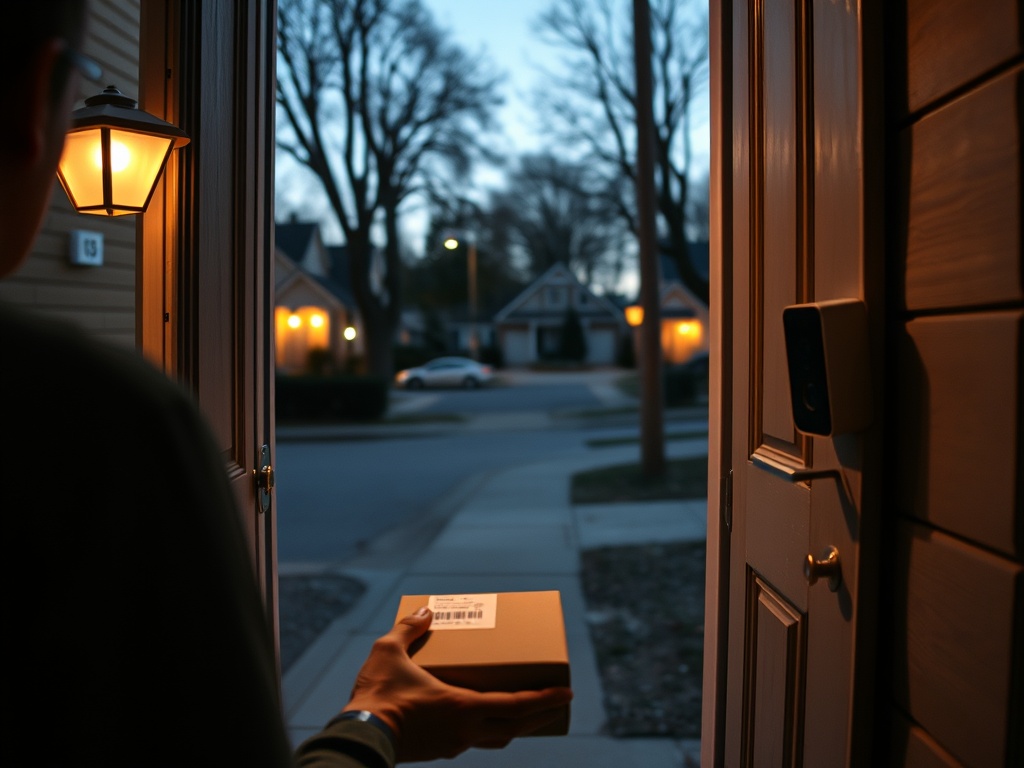
For package deliveries, use delivery notifications, secure lockers, staffed building areas, or prompt pickup when those options are available. The best choice depends on local theft patterns, building rules, and carrier services.
Create an Away-From-Home Version of the Routine
For a longer absence, stop mail or arrange collection if buildup would advertise that the home is empty. Ask a trusted person to handle visible issues such as packages, trash timing, or storm debris where appropriate.
Use lighting timers in a way that resembles ordinary occupancy rather than leaving every light on continuously. Avoid broadcasting detailed travel dates publicly. Confirm that leak sensors, cameras, alarms, or smart-home devices you plan to rely on are functioning before departure.
If you change furniture or storage before a trip, keep exits and windows accessible. The layout principles in designing around an awkward room shape can help prevent security equipment, furniture, and daily circulation from competing for the same narrow areas.
Troubleshoot the Routine Without Adding Fear
If household members keep forgetting locks or alarm steps, simplify the sequence and place reminders at the point of action rather than adding more devices.
If notifications become overwhelming, reduce nonessential alerts and keep the ones tied to meaningful events. Constant low-value alerts can make it easier to ignore the one that matters.
If cameras create blind spots, review placement and lighting before buying more units. More cameras do not automatically mean better coverage, especially if multiple devices show the same view.
If neighborhood information increases anxiety without improving action, narrow your sources to official alerts and a small trusted network. Awareness should support decisions, not turn routine activity into constant suspicion.
Make Security a Habit Rather Than a Project
Test the routine for two weeks. The leaving check, evening closeout, delivery process, device-update habit, and travel plan should each be simple enough to repeat without a special occasion.
Review the routine after a move, renovation, new roommate, new smart device, change in local access rules, or any event that changes who can enter the property. The strongest routine is current, boring, and consistently followed.
Home-security information is provided for general educational purposes and does not guarantee prevention of burglary, theft, intrusion, or other harm. Laws, building rules, privacy requirements, and appropriate security measures vary by location. Contact qualified security, legal, building-management, or law-enforcement resources when specialized guidance is needed.[/