
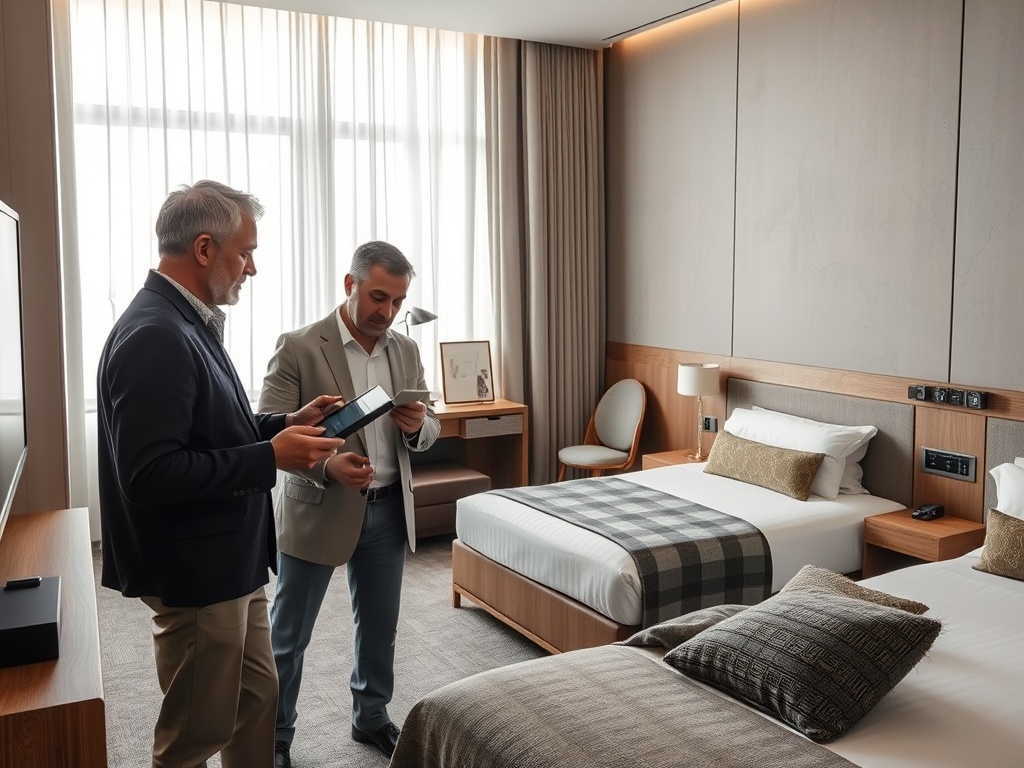
Technology is reshaping hotel design by giving architects and operators better ways to model spaces, control building systems, test guest flows, and adapt rooms to changing needs. The most valuable tools influence real decisions about comfort, energy use, maintainability, accessibility, and operations rather than adding gadgets for their own sake.
TL;DR
- Digital modeling can expose conflicts and operational problems before construction or renovation work begins.
- Smart-building controls matter most when they improve comfort and efficiency without making the guest experience harder to understand.
- Technology should support the design brief; it should not substitute for good planning, durable materials, intuitive circulation, or inclusive access.
Design Technology Now Starts Before a Guest Enters the Building
Hotel technology is often discussed as something installed after a property is built, but many of the biggest design effects happen earlier. Building information modeling, energy simulation, digital mockups, and coordinated engineering models allow teams to test how guestrooms, corridors, back-of-house areas, mechanical systems, and public spaces will work together. That can reduce late design conflicts and make it easier to compare options before changes become expensive.
For hospitality, the model must include operations rather than architecture alone. A beautiful lobby can still create queues if arrival, luggage, elevators, and group check-in are poorly sequenced. A guestroom can look minimal but become frustrating if controls are hard to find. Technology is most useful when it helps the design team see those relationships early and connect them with the wider idea of next-generation hospitality technology.
Smart Buildings Link Design With Ongoing Operations
Connected building systems can bring lighting, heating, cooling, metering, occupancy sensing, and equipment data into a more coordinated operating environment. The U.S. General Services Administration describes smart buildings as the convergence of building management, monitoring, and control systems so real-time performance data can support interoperability, operations, cost savings, and occupant comfort in its Smart Buildings directive. Hotels have different operating patterns from government offices, but the underlying design lesson is similar: sensors and controls need a clear purpose and a maintainable architecture.
This changes decisions about wiring, network pathways, equipment rooms, access panels, controls, and commissioning. A renovation that leaves no practical route for sensors or future controls may become expensive to upgrade later. A design that anticipates change can keep technology replaceable rather than embedding short-lived devices into permanent finishes.
Guestroom Technology Is Moving Toward Simpler Interfaces
The strongest guestroom concepts often hide complexity rather than advertise it. A guest should not need a tutorial to turn off the lights, adjust temperature, lower a shade, or charge a phone. Technology can support scenes, occupancy-based settings, and energy management, but basic functions should remain obvious when an app is unavailable or a device fails. Redundancy is part of hospitality design.
Design teams also need to account for different travelers. A system that feels elegant to a frequent app user may be difficult for someone with limited vision, dexterity, language familiarity, or comfort with digital controls. Physical controls, clear labels, sensible contrast, and predictable placement can remain important even in highly connected rooms. That is where design technology and hotel accessibility technology should reinforce each other.
Simulation Can Improve Space Planning, but It Cannot Define Hospitality
Digital twins, crowd-flow models, and scenario planning can help teams test how spaces perform under different conditions. A conference hotel may model a ballroom break, elevator demand, and food-service circulation. A resort may study guest movement between rooms, pools, restaurants, and transport pickup points. These tools can identify pinch points that are difficult to see in a static floor plan.
The limit is that a model only tests the assumptions placed into it. It can measure travel distance or predicted occupancy, but it cannot fully decide whether a space feels welcoming, calm, intimate, lively, or culturally appropriate. Those judgments still require design expertise, observation, and a clear understanding of the intended guest experience.

Energy Technology Is Becoming a Design Variable
Hotel design now has more opportunities to coordinate envelope performance, lighting, HVAC zoning, metering, heat recovery, water systems, and controls. The U.S. Department of Energy has documented hospitality-sector use of smart-building technology and networked thermostats as part of broader energy and water efficiency efforts. Its Better Buildings hospitality reporting shows why design and operations cannot be separated: the equipment specified at design stage affects what can be monitored and optimized later.
This does not mean every property needs the most complex control system available. Complexity has a maintenance cost. The right question is whether a technology produces useful information, supports a practical operating action, and can be serviced by the team responsible for the building. A simpler system that is commissioned, understood, and maintained can outperform a sophisticated system that staff cannot manage confidently.
A Better Test for Hotel Design Technology
Before specifying a technology, teams can ask five questions: What guest or operating problem does it solve? Does it reduce or add steps for the user? What happens if connectivity fails? Who will maintain it? Can the system be upgraded without major construction? These questions make it easier to distinguish long-term infrastructure from short-cycle novelty.
The most convincing hotel design technology is rarely the most visible. It appears in better temperature stability, easier wayfinding, fewer operational conflicts, more flexible spaces, lower resource use, and rooms that work for more people. That is a higher standard than simply adding screens, voice controls, or automated features because they appear modern.
Plan the Technology Lifecycle Alongside the Floor Plan
Technology decisions should include replacement and service scenarios from the beginning. Design teams can identify which components are expected to last for decades, which may be replaced every few years, and which depend on a software vendor or cloud service. That distinction affects conduit, access panels, mounting, network capacity, electrical outlets, spare pathways, and the amount of disruption required for future upgrades.
Mockups are especially useful for guest-facing controls. A full-scale room prototype can reveal whether switches are intuitive from the bed, whether a thermostat is visible under common lighting conditions, whether charging locations work with different furniture arrangements, and whether an accessible route remains clear after devices are added. Testing the physical and digital experience together helps prevent a technically impressive specification from becoming awkward in daily use.
Design governance should also define who approves changes after opening. A lighting scene, thermostat rule, or room-control update may look like a software change, but it can affect comfort, accessibility, energy use, and brand standards. Hotels benefit from change-control records that identify what was adjusted, why it was adjusted, how it was tested, and how staff can reverse it if an unintended problem appears.
Design for Adaptability, Not a Single Technology Cycle
Hotels are long-lived assets while digital products change quickly. A resilient design provides power, connectivity, service access, open interfaces where practical, and enough physical flexibility to change devices without rebuilding the room.
For owners and design teams, the next step is to evaluate proposed technology against guest usefulness, lifecycle cost, maintenance capacity, accessibility, and energy performance. The strongest specification is the one that still makes sense when the novelty wears off.