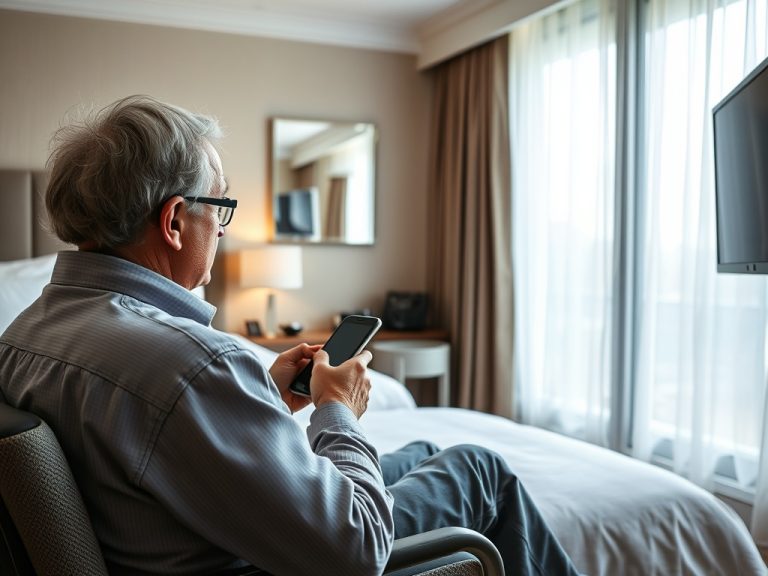
Smart hotel technology can improve energy efficiency by matching heating, cooling, lighting, and equipment operation more closely to actual occupancy and operating conditions. The largest gains usually come from combining efficient equipment with metering, controls, commissioning, maintenance, and staff response rather than relying on a single ‘smart’ device.
TL;DR
- Occupancy-based controls can reduce unnecessary conditioning or lighting when rooms and spaces are genuinely unoccupied.
- Meters and analytics are valuable only when teams have thresholds, responsibilities, and maintenance workflows for acting on the data.
- Energy optimization must preserve guest comfort, accessibility, indoor environmental quality, and dependable fallback controls.
Hotels Are Complex Energy Users
A hotel combines guestrooms, corridors, lobbies, kitchens, laundries, meeting rooms, offices, pools, spas, restaurants, exterior lighting, and mechanical systems, often operating around the clock. That mix creates many operating schedules and comfort expectations. Energy use can therefore be affected by both equipment efficiency and how precisely systems respond to changing occupancy and weather.
ENERGY STAR’s lodging energy guidance highlights the variety of hotel uses and opportunities for energy management. For operators, the key implication is that one blanket control strategy rarely fits the whole property. Guestrooms, kitchens, ballrooms, and back-of-house spaces need different schedules, setpoints, and monitoring priorities.
Occupancy-Based Guestroom Controls Can Reduce Waste
Networked thermostats and occupancy sensors can allow a room to drift to a wider temperature range when it is unoccupied and return toward the guest setting before expected use. Lighting and plug-load controls can work in a similar way. The concept is straightforward: stop conditioning or lighting empty space as if it were continuously occupied.
Implementation needs care. A sensor can misread occupancy, a recovery strategy can take too long, or an aggressive setback can create comfort complaints. Hotels should test different room types, climates, orientations, and guest patterns. Controls should also provide an understandable manual path rather than forcing a guest to fight an automated system.
Building Analytics Can Turn Energy Data Into Maintenance Clues
Meters, building automation systems, and fault-detection analytics can reveal equipment that runs when it should be off, simultaneous heating and cooling, abnormal temperatures, excessive runtime, or unusual water use. These signals can reduce waste and help engineering teams identify problems before they become visible to guests.
The U.S. Department of Energy’s Better Buildings hospitality reporting has documented hotel-sector investment in energy and water technologies, including smart-building systems and networked thermostats. The useful lesson is operational: technology works when the property has a process for validating alerts, assigning work, confirming the fix, and measuring whether performance changed.
Smart Energy Systems Need to Fit Hotel Workflows
A building-management dashboard can produce hundreds of data points. Engineering staff need a smaller number of actionable priorities. Good systems translate technical data into ranked exceptions, show the affected equipment or rooms, and provide enough history to diagnose the issue. They should also integrate with maintenance processes where possible.
That creates a direct link to hotel operations and workflow technology. Energy alerts that remain in a separate engineering dashboard can be overlooked or duplicated. When a verified fault becomes a tracked work order with ownership and closure, energy management becomes part of everyday operations rather than a periodic sustainability review.

Design and Retrofit Decisions Affect What Controls Can Achieve
Controls cannot compensate indefinitely for poor insulation, failing equipment, unbalanced air systems, or badly zoned spaces. In some hotels, the best investment may be a mechanical upgrade, envelope improvement, efficient lighting, or recommissioning before a more advanced analytics platform. Smart technology should be one layer in an efficiency plan.
This is where hotel design technology matters. Renovations provide an opportunity to improve sensor placement, metering, zoning, network pathways, equipment access, and control sequences. A design that makes equipment difficult to service or data difficult to collect can limit the benefits of later optimization.
Guest Comfort Is a Constraint, Not an Optional Metric
Energy efficiency in hospitality has to coexist with comfort and service expectations. Temperature stability, humidity, noise, lighting quality, hot-water availability, and indoor air conditions are part of the stay. An energy project that produces repeated complaints or forces staff to override controls manually may not be performing as intended.
Hotels should track operational outcomes alongside energy use. That can include comfort calls, manual overrides, rooms placed out of service, maintenance time, and equipment alarms. A balanced scorecard helps teams avoid savings that appear in an energy report while costs or guest friction reappear somewhere else.
Cybersecurity and Resilience Matter as Systems Become Connected
Connected building controls expand the number of devices and network relationships that need to be managed. Properties should define account access, software updates, vendor responsibilities, network segmentation, backup procedures, and what happens when a cloud service or connection is unavailable. A thermostat should still support safe, understandable operation during a system outage.
The goal is resilient efficiency. Hotels benefit from technology that can optimize normal operation but also fail predictably, preserve essential controls, and provide staff with a clear recovery path. That is a stronger standard than installing devices solely because they are marketed as smart.
Start With Controls That Staff Can Commission and Maintain
Smart-energy projects often underperform when the property cannot verify sensor readings, schedules, setpoints, and control sequences after installation. Commissioning should confirm that equipment responds as intended across occupied, unoccupied, peak-load, and failure conditions. Staff also need clear documentation for common overrides and a process for returning systems to normal operation after an exception.
Training should focus on diagnosis rather than only dashboard use. Engineers need to know what a high-priority alert means, which source data support it, and what field check can confirm the issue. Management needs a smaller view that connects energy trends with comfort, maintenance, and capital planning. Different roles require different levels of detail.
A property can then revisit performance seasonally. Controls tuned during mild weather may need adjustment during extreme conditions or after room renovations. Continuous review turns smart-building technology from a one-time installation into an operating discipline.
Procurement teams should compare total lifecycle cost rather than device price alone. Subscription fees, gateways, network work, calibration, replacement batteries, software support, staff training, and vendor service can materially affect the economics. Open data access is also valuable because a hotel may want to compare energy information across different generations of equipment.
Projects are easier to defend when savings estimates are separated from verified results. Before installation, the property can state the expected mechanism for savings and the assumptions behind it. After commissioning, actual interval data, utility bills, operating hours, and comfort indicators can be reviewed to see whether the mechanism worked as expected.
Energy controls should also be reviewed after major operational changes. A new restaurant schedule, renovated room wing, extended pool hours, or changed housekeeping pattern can make old control assumptions inaccurate. Treating schedules and setpoints as living operational data helps the building keep pace with how the hotel is actually being used.
Optimize the System, Then Prove the Result
A practical energy-technology project should begin with a baseline, a defined problem, and a measurement plan. Choose a system or zone, verify current performance, implement the change, commission it, and review both energy and guest-service outcomes.
When smart controls, efficient equipment, and hotel workflows reinforce one another, technology can reduce waste without asking guests or staff to tolerate a more complicated building.