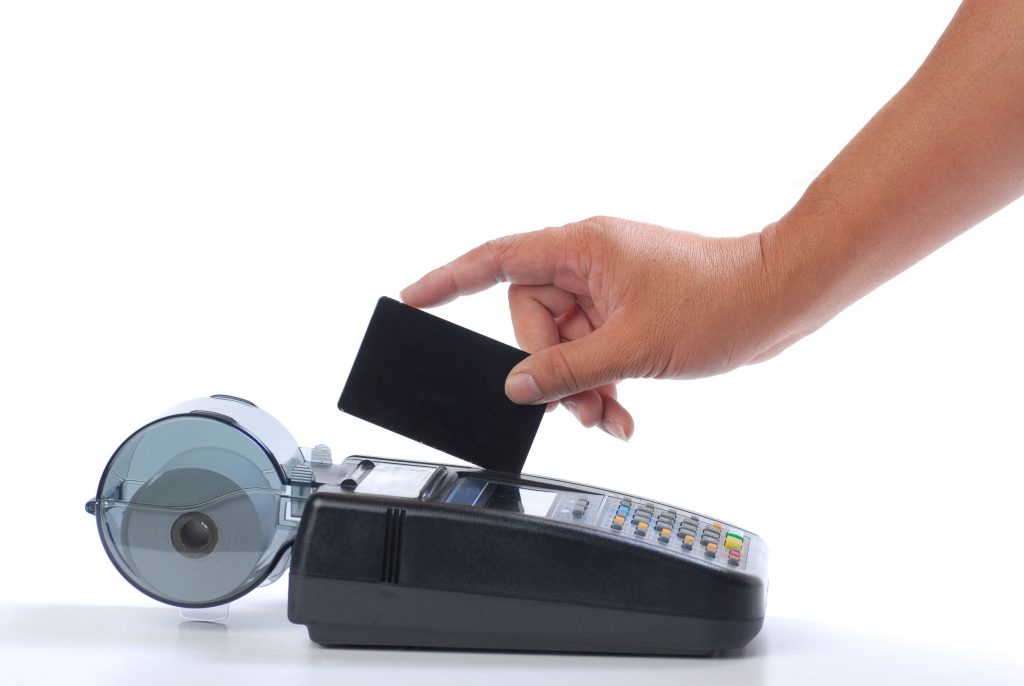
Strong customer authentication, often shortened to SCA, means an online payment or account action may require more than one way to prove the customer is legitimate. It is designed to reduce fraud risk by combining factors such as something you know, something you have, or something you are.
TL;DR: SCA is not just “entering a code.” It is a framework for layered authentication. The exact checkout experience depends on the merchant, issuer, payment type, region, and exemptions.
The Basic Idea Behind SCA
European payment rules made SCA a major topic for online checkouts, and the European Banking Authority maintains materials on strong customer authentication and secure communication. Other regions may use different rules and terminology, but the consumer-facing idea is similar: higher-risk digital transactions may need stronger proof.
SCA usually draws from three categories. Knowledge is something the customer knows, such as a password or PIN. Possession is something the customer has, such as a phone, token, or banking app. Inherence is something the customer is, such as a biometric factor. A checkout may combine two categories rather than relying on one password alone.
What Customers See at Checkout
| Step | What may happen | Why it matters |
|---|---|---|
| Card details entered | The merchant sends the payment request. | Basic data alone may not be enough. |
| Risk check | Issuer or payment provider evaluates the transaction. | Low-risk transactions may qualify for exemptions. |
| Challenge | Customer confirms through app, code, biometric, or password. | Adds a second layer when required. |
| Authorization | Payment is approved or declined. | Authentication does not guarantee the merchant will complete the order. |
SCA, 3-D Secure, and One-Time Passcodes
Readers often treat these terms as identical, but they are not. SCA is the broader requirement or security concept. 3-D Secure is a card-payment protocol that can support authentication flows. A one-time passcode is one possible method, but it may be weaker than an app-based confirmation if the phone number is compromised.
Because digital-payment safety overlaps with account hygiene, readers may also want to compare suspicious activity report basics with online banking safety basics before judging a checkout only by convenience.
When a Checkout Feels Different
The same customer may be challenged for one purchase and not challenged for another. That does not always mean one merchant is safer. Factors can include transaction amount, merchant category, device history, issuer settings, exemptions, stored credentials, recurring payment status, and regional rules. A frictionless checkout can still be legitimate when the payment provider has enough risk information.
Practical Habits for Safer Online Payments
- Use banking apps and card alerts when available.
- Keep phone numbers and email addresses current with the issuer.
- Avoid approving prompts for purchases you do not recognize.
- Use unique passwords and a password manager for financial accounts.
- Treat unexpected payment codes as a warning sign, not a convenience.
The Shopper’s Takeaway
SCA is best understood as a layered security approach, not a single screen. It may add a few seconds to checkout, but it can reduce exposure when card details, passwords, or devices are misused. The right question is not only “Was I asked for a code?” but “Did the payment flow confirm the person, device, and transaction in a sensible way?”
How Merchants and Shoppers Should Interpret Friction
Checkout friction is not always bad. A well-timed challenge can protect the shopper and the merchant from fraud losses, disputes, and unauthorized card use. The problem is unnecessary friction, where legitimate customers face confusing or repeated steps without understanding what is being requested.
Merchants should test checkout flows across devices and customer groups. If the authentication screen is unclear, customers may abandon a legitimate purchase or approve the wrong request later because they become used to clicking through prompts. Clear order details and consistent merchant names help customers identify the transaction.
Shoppers should treat authentication prompts as transaction confirmations, not interruptions. Before approving, they should check the amount, merchant, and device. A prompt that appears when no purchase is being made should be treated as suspicious.
SCA works best when security and usability are balanced. The goal is not to challenge every low-risk transaction; it is to apply stronger checks when the risk signals justify them.
- Keep issuer contact details current.
- Review app approval screens before tapping confirm.
- Avoid completing checkout on unsecured or shared devices.
- Contact the card issuer if authentication prompts appear unexpectedly.
When Authentication Fails or Feels Suspicious
A failed authentication step does not always mean fraud. It may mean the issuer has an outdated phone number, the merchant name is unclear, the device is new, or the transaction risk score is higher than usual. The shopper should avoid repeated attempts until the reason is understood.
If a prompt arrives when no purchase is being made, the safer action is to deny it and contact the issuer through the number on the card or official app. Authentication fatigue is a real risk because people can become used to approving prompts quickly.
Merchants can reduce confusion by keeping billing descriptors clear, using stable checkout flows, and giving customers enough order context before an approval screen appears.
Why Exemptions Do Not Mean Weak Security
Some transactions move through checkout without a visible challenge because the provider has enough information to treat them as lower risk or because a specific exemption applies. That should not be confused with the absence of security. Device recognition, merchant history, transaction monitoring, tokenization, and issuer controls may be operating behind the scenes. Customers should still watch statements and alerts, while merchants should avoid promising that any authentication outcome proves a transaction is risk-free. Security reduces risk; it does not eliminate every dispute or unauthorized-use scenario.
Beyond Authentication
Businesses should also remember that authentication is only one layer of payment protection. Refund policies, fraud monitoring, chargeback management, tokenized card storage, and customer support all affect the final risk picture. A checkout may satisfy authentication expectations but still create disputes if the merchant descriptor is unclear, delivery details are weak, or customer communication is poor.
The Customer Education Piece
Customers should know what a legitimate authentication prompt looks like for their card or bank. Issuers and merchants can help by keeping instructions plain, avoiding confusing messages, and encouraging users to review prompts instead of approving them automatically. Security improves when people understand the step, not only when the technology exists.
This content is for informational and educational purposes only. It is not legal, tax, investment, lending, accounting, or regulatory advice. Readers should verify details with a qualified professional, the relevant institution, or the appropriate regulator before making financial decisions.