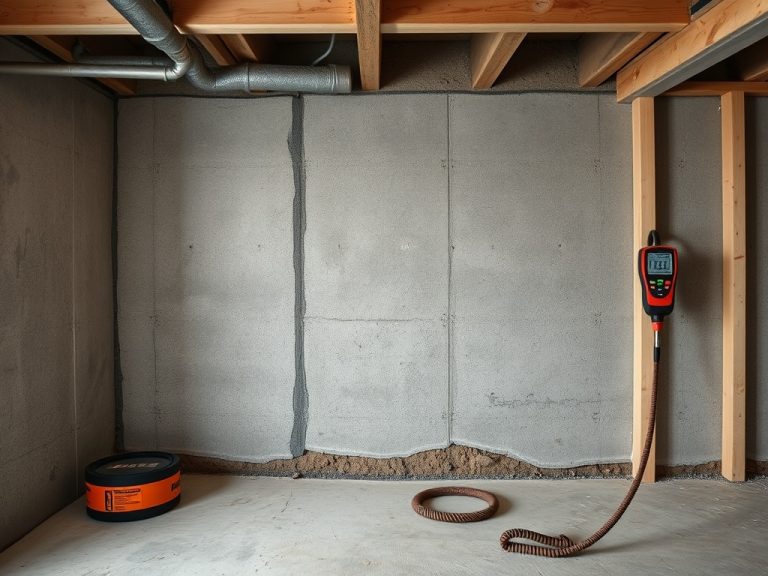
Slab-on-grade problems often start before concrete arrives. Poor subgrade preparation, weak moisture planning, bad joint layout, rushed finishing, and inadequate curing can lead to cracking, curling, surface defects, or moisture-related failures.
TL;DR: Key takeaways for slab on grade mistakes.
- The ground below the slab matters as much as the concrete mix above it.
- Joint layout, reinforcement, vapor control, and curing should be coordinated before placement.
- Many slab defects are reduced by planning, inspection, and realistic expectations rather than by a single product choice.
The work starts below the surface
A slab-on-grade is a system. It includes the soil, prepared subgrade or subbase, vapor retarder where required, reinforcement where specified, concrete mixture, jointing, finishing, curing, and service environment. When one part is ignored, the finished floor may show the result months or years later.
The ACI guide to slabs-on-ground addresses planning, design, detailing, soil support systems, loadings, and jointing. That scope is a reminder that slab quality is not only a placement-day concern. It begins with design criteria and field preparation. For technical background, ACI guidance for slabs-on-ground gives useful context on design and construction considerations.
For beginners, the safest mindset is simple: do not treat the slab like a flat pour of concrete. Treat it as an engineered floor or foundation element with moisture, load, shrinkage, and movement behavior.
Subgrade and compaction oversights
Weak, uneven, wet, frozen, or poorly compacted subgrade can create settlement and support problems. The slab may bridge soft spots, crack where support changes, or move differently than adjacent areas. Field teams should verify proof-rolling, compaction, drainage, and elevation before placement.
Adding stone does not automatically fix poor soil. The subbase material, thickness, gradation, moisture content, and compaction method all matter. Where loads are heavy, geotechnical input is often needed.
Budget planning should include testing and preparation because saving small amounts before the pour can create larger correction costs later.
| Review point | What to check | Why it matters |
|---|---|---|
| Scope clarity | Confirm assumptions, exclusions, owner decisions, and field constraints. | Prevents vague expectations from becoming changes or rework. |
| Schedule exposure | Identify approvals, procurement, access, inspections, and dependencies. | Keeps hidden waiting time visible before crews are affected. |
| Documentation | Tie decisions to drawings, logs, photos, contracts, or approved reports. | Creates a record that can be used by owners, contractors, and maintenance teams. |
Moisture and vapor planning mistakes
Moisture can affect flooring, adhesives, coatings, indoor conditions, and owner satisfaction. The vapor retarder decision should consider soil moisture, floor covering requirements, building use, and manufacturer guidance. It should not be left to a last-minute field habit. Moisture decisions also connect to finished-space risks discussed in basement finishing mistakes that create moisture problems.
Common errors include puncturing the retarder, failing to seal seams, placing it where the design did not intend, or ignoring compatibility with finishing and curing practices. The project documents should clarify location and installation requirements.
For owners, this is a contract question as much as a technical one. Ask how moisture-sensitive finishes will be protected and tested.

Jointing and reinforcement misunderstandings
Control joints do not stop shrinkage. They guide where cracking is more likely to occur. If joints are too far apart, cut too late, cut too shallow, or poorly aligned with columns and reentrant corners, random cracking becomes more likely. Budget teams should treat jointing and preparation as scope items, not afterthoughts, as explained in how to build a realistic construction budget from scratch.
Reinforcement does not make concrete immune to cracking. Depending on the design, it may help hold cracks tight, distribute stresses, or provide structural capacity. The purpose should be understood before placement.
Sawcut timing, joint depth, dowel alignment, isolation around penetrations, and load transfer details should be reviewed in the pre-pour meeting.
Finishing and curing errors
Overworking the surface, finishing while bleed water remains, adding water at the surface, or starting finishing too early can weaken the slab surface. Weather, temperature, wind, humidity, and crew timing can all affect the finish window.
Curing is often underestimated because the slab looks complete after finishing. In reality, curing supports strength development and surface durability. The method should match the mix, weather, specifications, and schedule.
Educational disclaimer: this article is for general education only and does not replace professional engineering, geotechnical, code, material, legal, or project management advice.
Slab planning notes for field crews
A practical way to use this guidance is to turn the article topic into a short review conversation before the work moves forward. For slab on grade mistakes, the discussion should include who owns the decision, what information is reliable, what is still assumed, and what action would change if new information appears. That keeps the topic from becoming a general idea that everyone supports but nobody manages.
Documentation should be simple enough for field and office teams to maintain. Meeting notes, photos, marked drawings, schedules, inspection records, and approval logs are useful only when they are organized and easy to retrieve. The goal is not to create a paperwork burden. The goal is to create a reliable memory for decisions that may matter during pricing, sequencing, quality review, maintenance, or dispute prevention.
Owners and contractors should also separate preference from requirement. A preferred method may be efficient or familiar, but a requirement comes from the contract, code, manufacturer instructions, engineered design, safety regulation, or authority having jurisdiction. When those categories are mixed together, teams may overstate certainty or miss a mandatory step.
The strongest teams revisit assumptions at each milestone. Early planning may rely on broad allowances and conceptual details. Design development should replace assumptions with specifications, quantities, and coordinated drawings. Construction should replace planned conditions with verified field information. Closeout should preserve what was installed, changed, tested, or accepted for future maintenance.
A final review should ask three plain questions: what could go wrong, how would we know early, and who has authority to respond? Those questions keep the article useful beyond reading. They turn the concept into a management habit that supports safer work, clearer budgets, cleaner contracts, and better long-term building performance.
Owners should request photo documentation before, during, and after placement where appropriate. Images of subgrade, vapor retarder laps, reinforcement, embeds, and curing setup can help future troubleshooting.
Slab expectations should be written before placement because appearance, flatness, levelness, cracking, curing, and flooring readiness can become sensitive after the pour. Clear acceptance criteria reduce emotional disagreement once the concrete is permanent.
A pre-pour meeting should include the owner or representative, concrete contractor, testing agency where used, superintendent, and any trade affected by embeds or penetrations. The meeting should confirm access, weather, mix delivery, testing, finishing expectations, curing method, and joint plan. Crew observations during this stage can also support safety observations and leading indicators when hazards or quality risks are spotted early.
Pre-pour review before concrete day
Use this article as an educational starting point, then confirm project-specific requirements with qualified professionals, current documents, and the authority responsible for the work. The best next step is to turn the key questions above into a short review checklist before money, schedule, or materials are committed.